News

A time for summaries and goodbyes
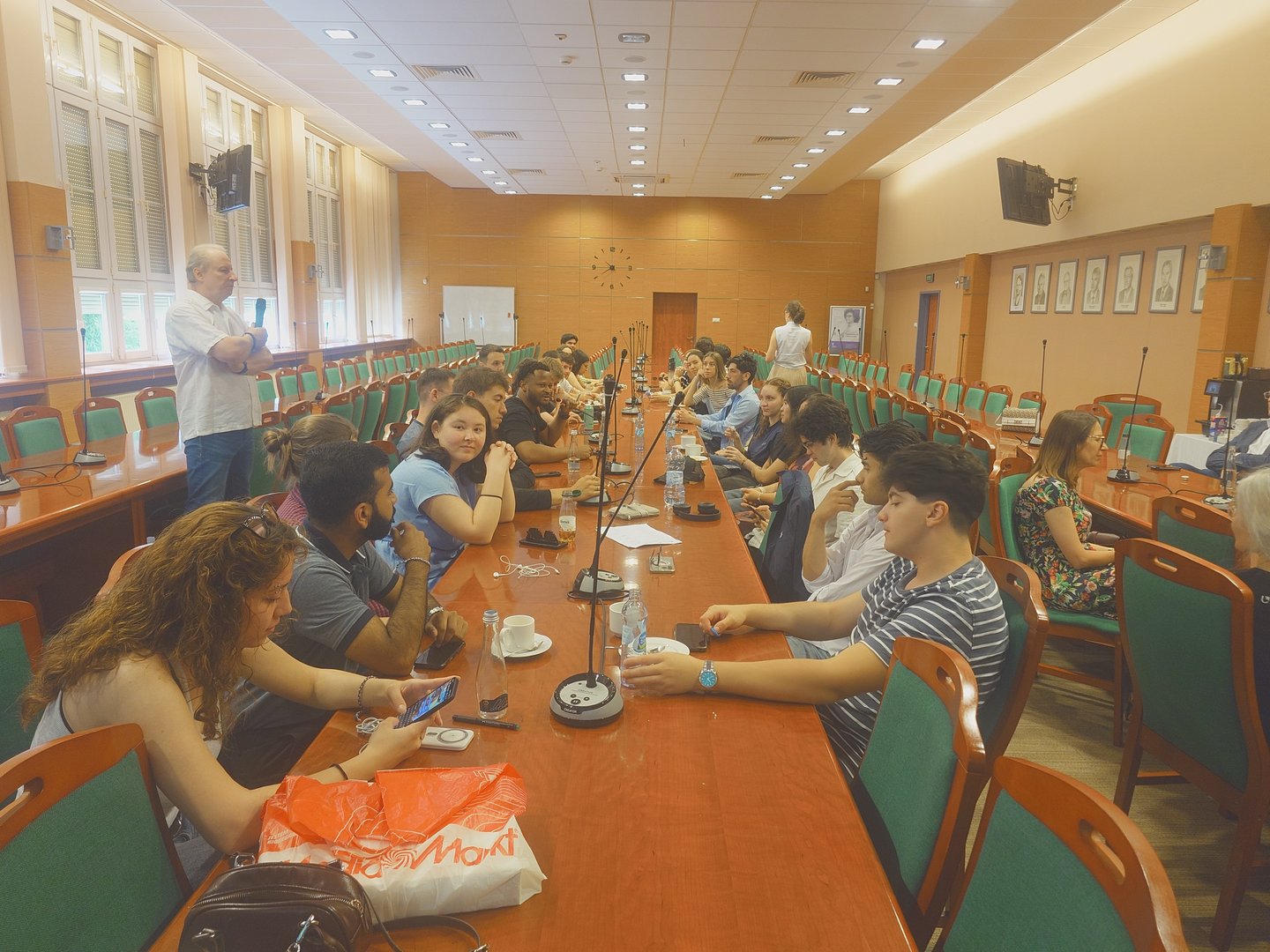
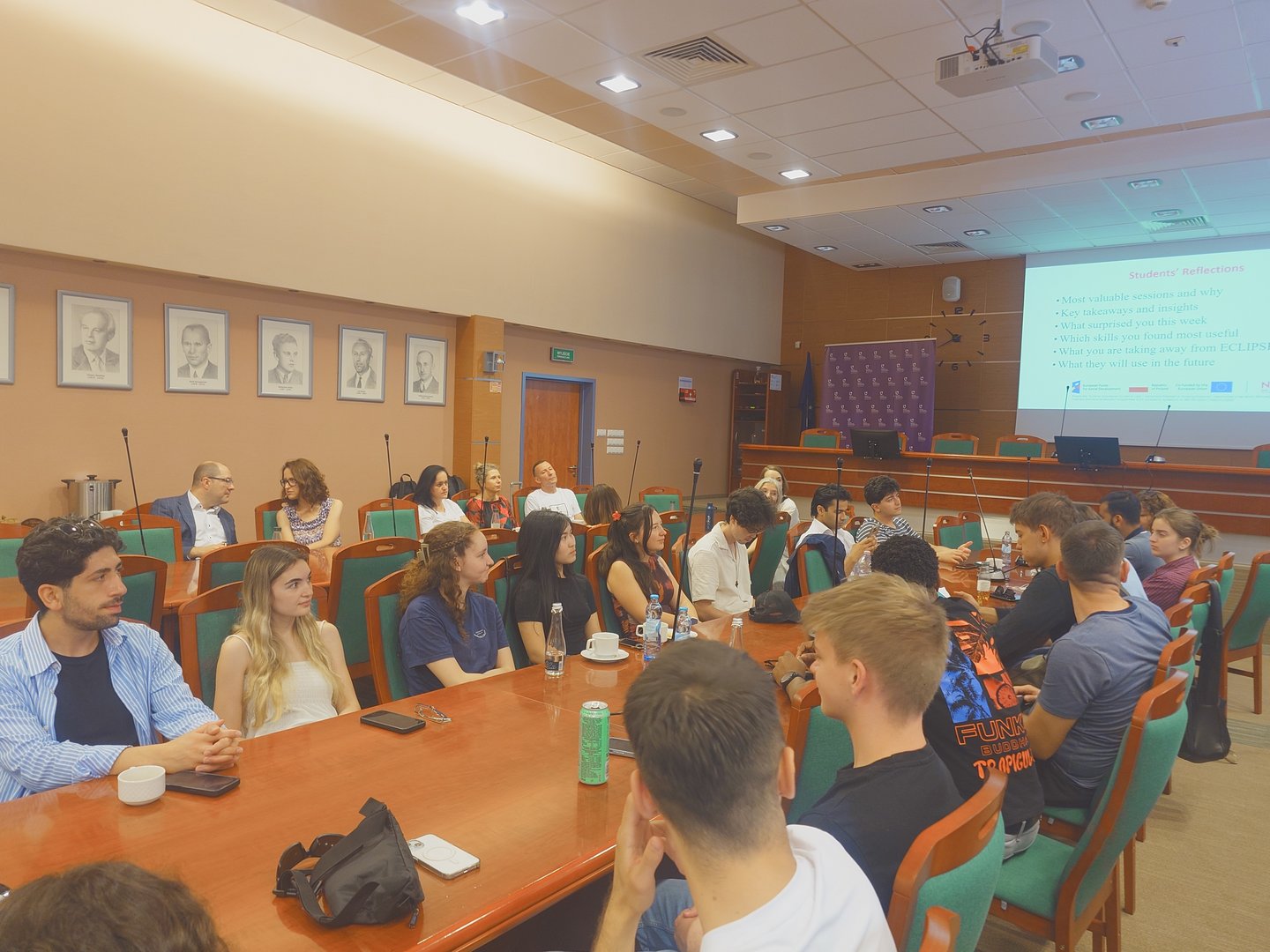
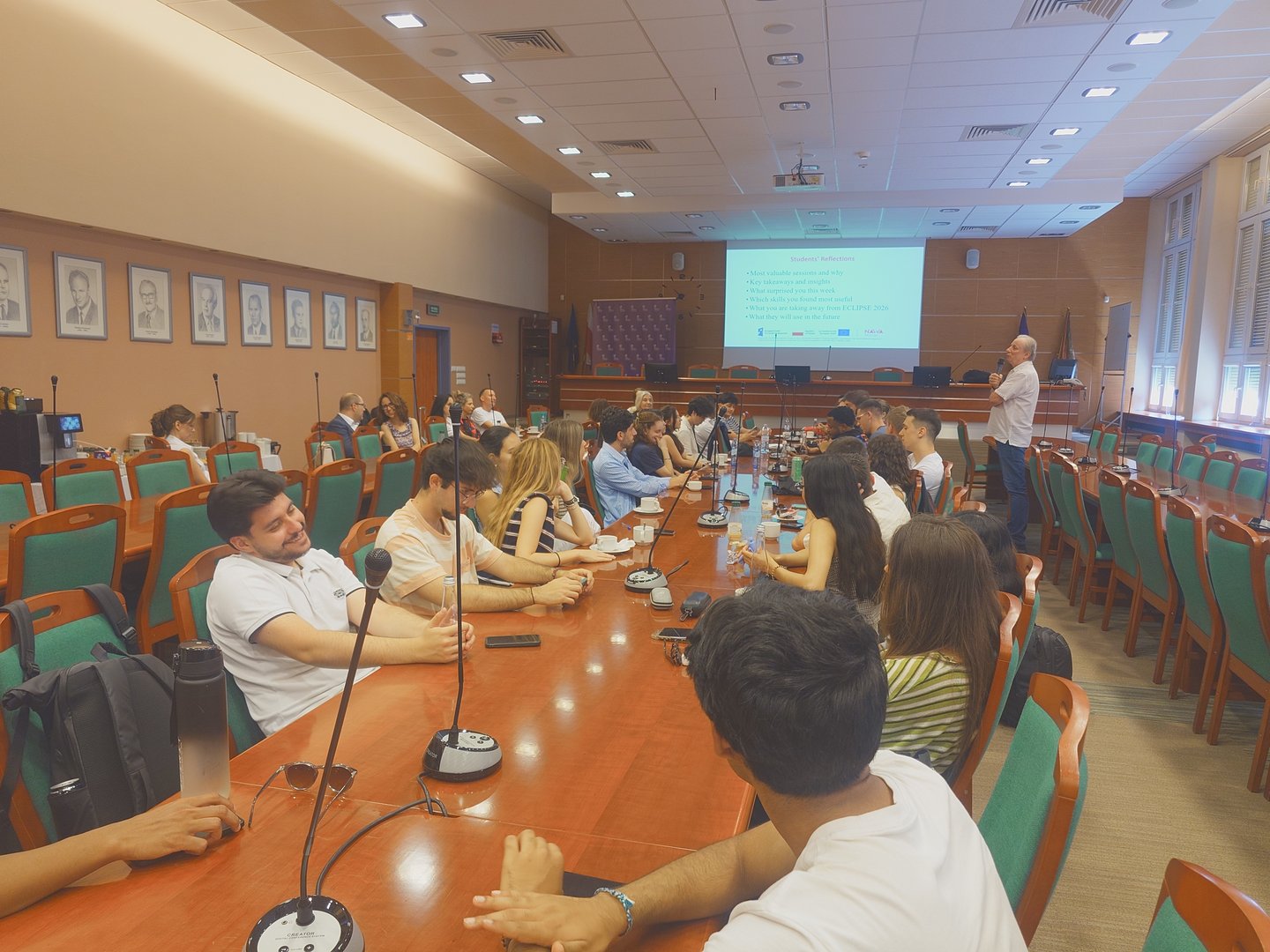
Our summer school comes to an end.
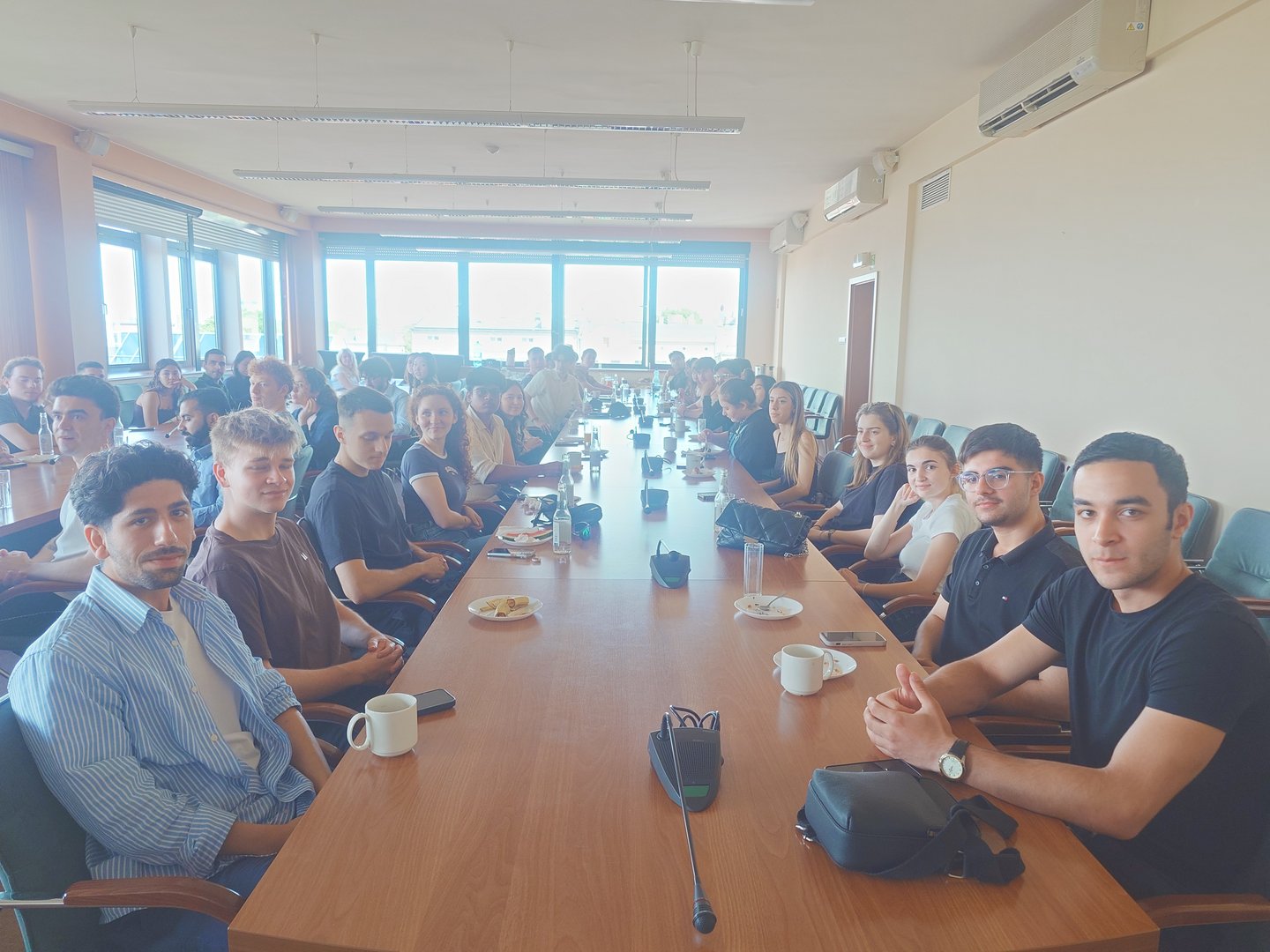
Over the past eight days we have shared lectures, workshops and case studies on institutions, financial markets, entrepreneurship and the challenges of internationalization, combined with a city study visit and collaborative project work. It has been an intense and inspiring time of learning, reflection and intercultural exchange.
We would like to warmly thank all Participants for your active engagement, questions and contributions to discussions during the programme from 22.06 to 02.07.2026. Our gratitude also goes to the Lecturers, Workshop Leaders and the whole organizing team for making this project possible.
www.eksoc.uni.lodz.pl/aktualnosci/szczegoly/zakonczenie-miedzynarodowej-szkoly-letniej-summer-eclipse-2026
The conclusion session today is an important moment to summarize key insights and outline future cooperation. We hope that the knowledge and networks you have gained in Łódź will support your academic development and lead to new joint initiatives. Thank you for being part of the ECLIPSE community and for the time we have spent together.
We invite you to explore the project’s evaluation report and photo gallery, capturing our shared work, learning experiences, and memorable time together https://flic.kr/s/aHBqjD2GJS
#EUFunds #EuropeanFunds #SummerEclipse #SPINAKER
A Walk Through Łódź – The City as a Case Study
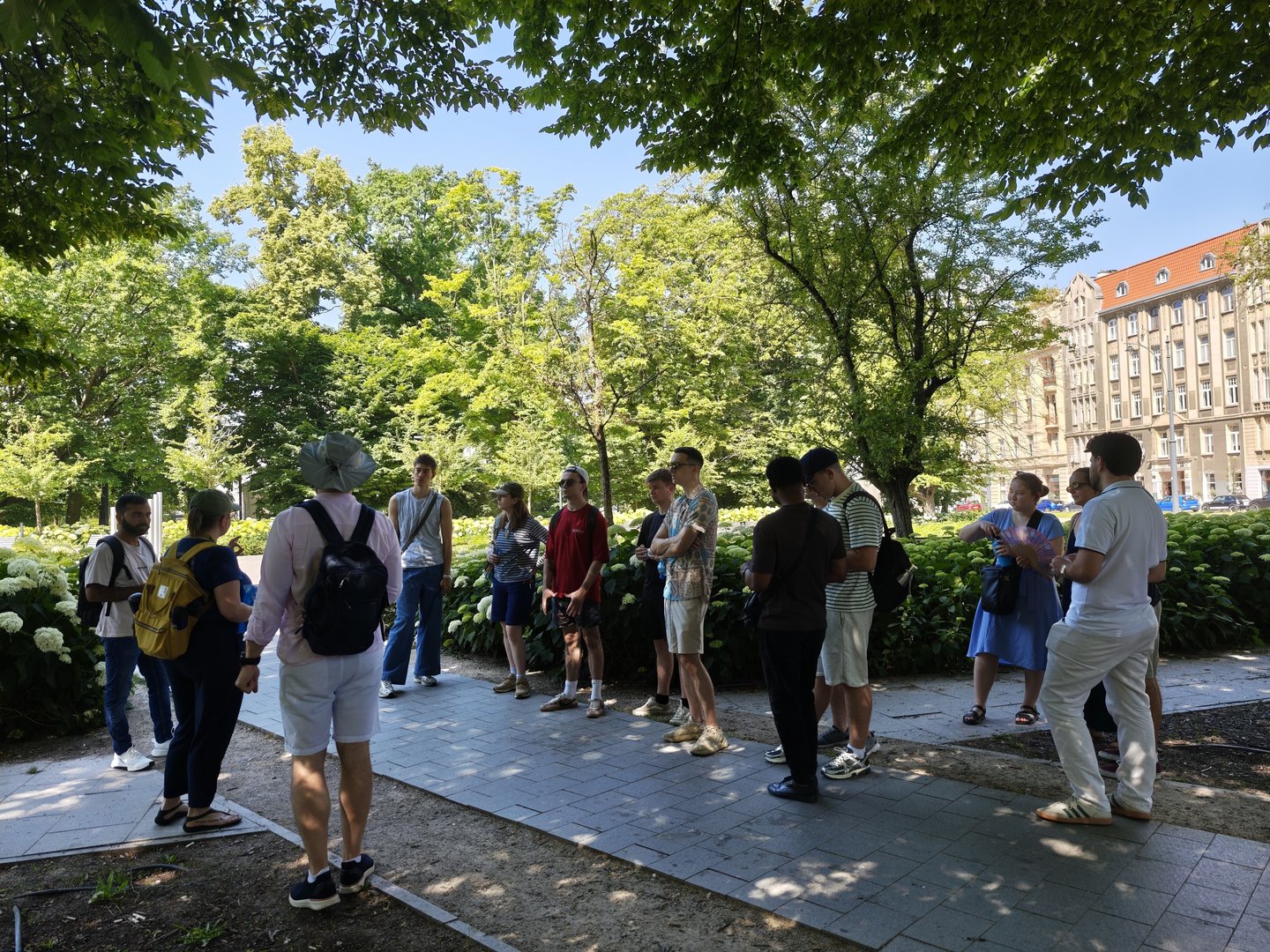
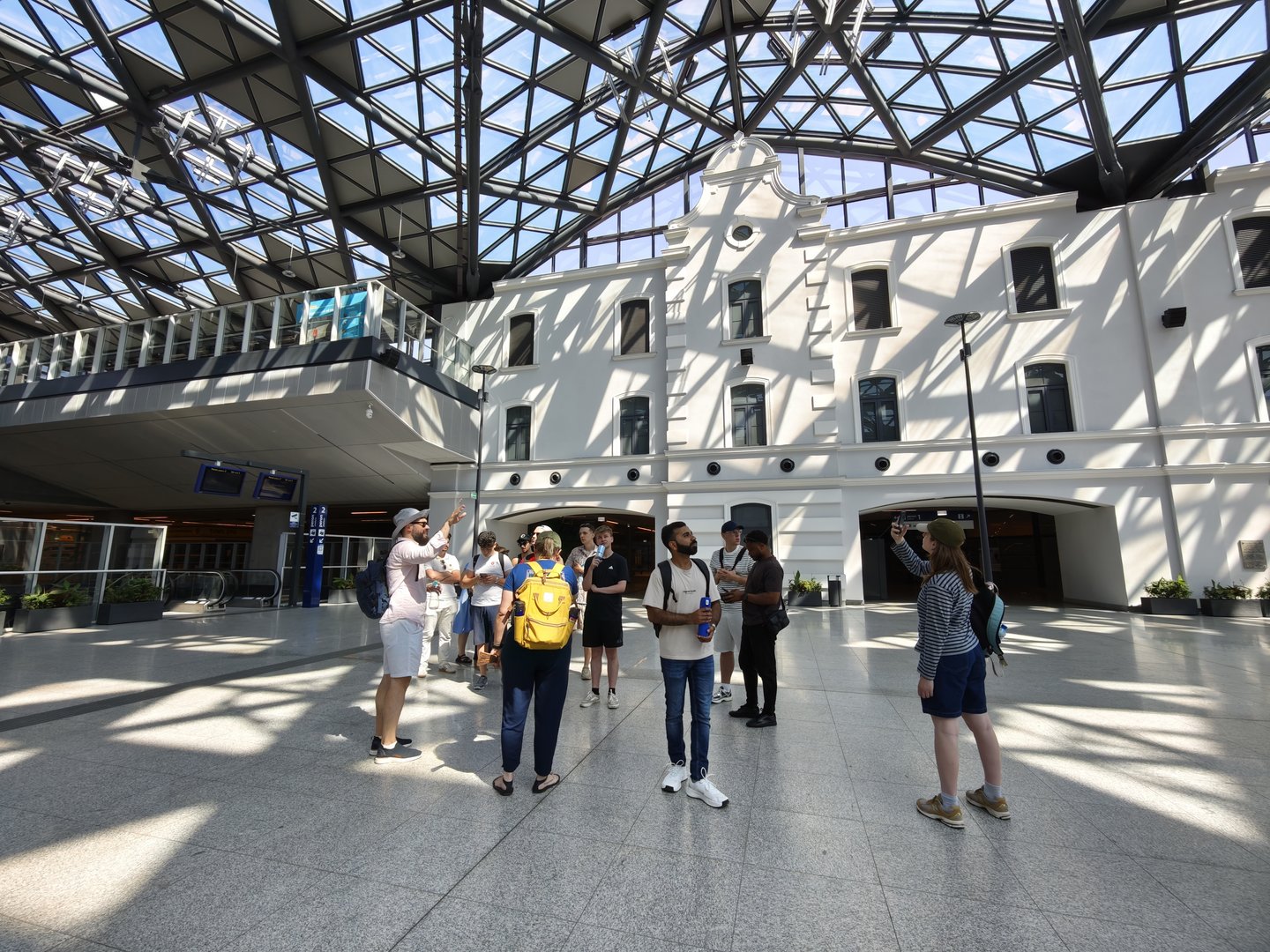
On the fifth day, participants in the SUMMER ECLIPSE summer school had the opportunity to take part in a several-hour walk through Łódź, which served as a practical case study for their institutional economics class.
The goal of the tour was to show how the city’s history of development, changing institutions, and economic decisions have influenced the life of the city and its residents, as well as the contemporary functions of key spaces in Łódź.
We began the tour in front of the Faculty of Economics and Sociology building, from where—admiring the murals from the Urban Forms Gallery—we walked toward the renovated Włókiennicza Street. There, we paid special attention to the “Atlas Sztuki” Foundation’s tenement house and the historic villa of Hilary Majewski. Next, walking through Majewski Passage to Jaracza Street, the students had the opportunity to see more revitalized urban spaces.
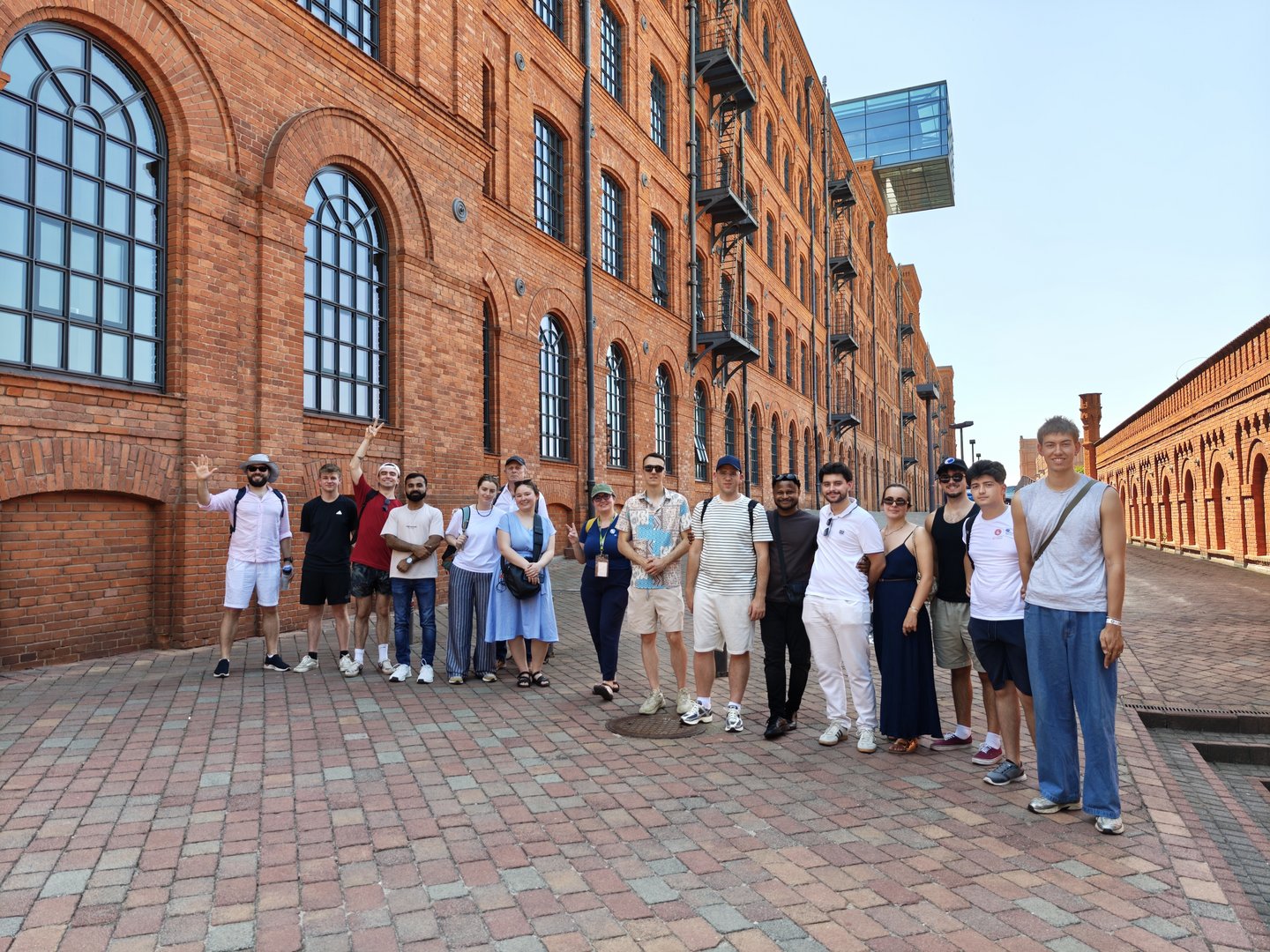
The route continued through the charming woonerf on Piramowicza Street, where we visited a courtyard featuring the iconic movie mural depicting Kwinta from the film “Vabank,” as well as the historic Orthodox Church of St. Olga. The next stop on the itinerary was the New Center of Łódź—walking through Moniuszki Park, we reached the modern Łódź Fabryczna train station and the impressive spaces of the EC1 complex. A visit to the modern MeMo Media Library provided us with a moment of respite and a coffee break; from there, we walked down the beautiful, renovated Moniuszki Street straight onto “the queen of Polish streets” — Piotrkowska Street. Heading north along HollyŁódź Avenue of Stars, the participants visited the atmospheric Pasaż Róży and the newly renovated Plac Wolności. The entire tour culminated in a visit to the Manufaktura complex.
Despite the nearly 40-degree heat, everyone was in high spirits. Łódź delighted the international students, and the revitalized, post-industrial spaces made a huge impression on them.
The summer school participants were accompanied by faculty members from the Faculty of Economics and Sociology: Dr. Tomasz Czajkowski and Dr. hab. Maciej Kozłowski, professor at the University of Łódź. The trip also provided an opportunity for the course participants to bond and discuss how Łódź can be analyzed from the perspective of institutional economics.
#EUFunds #EuropeanFunds #SummerEclipse #SPINAKER
Inspiring Lectures at the Summer ECLIPSE – Learning, Innovation, Ethics
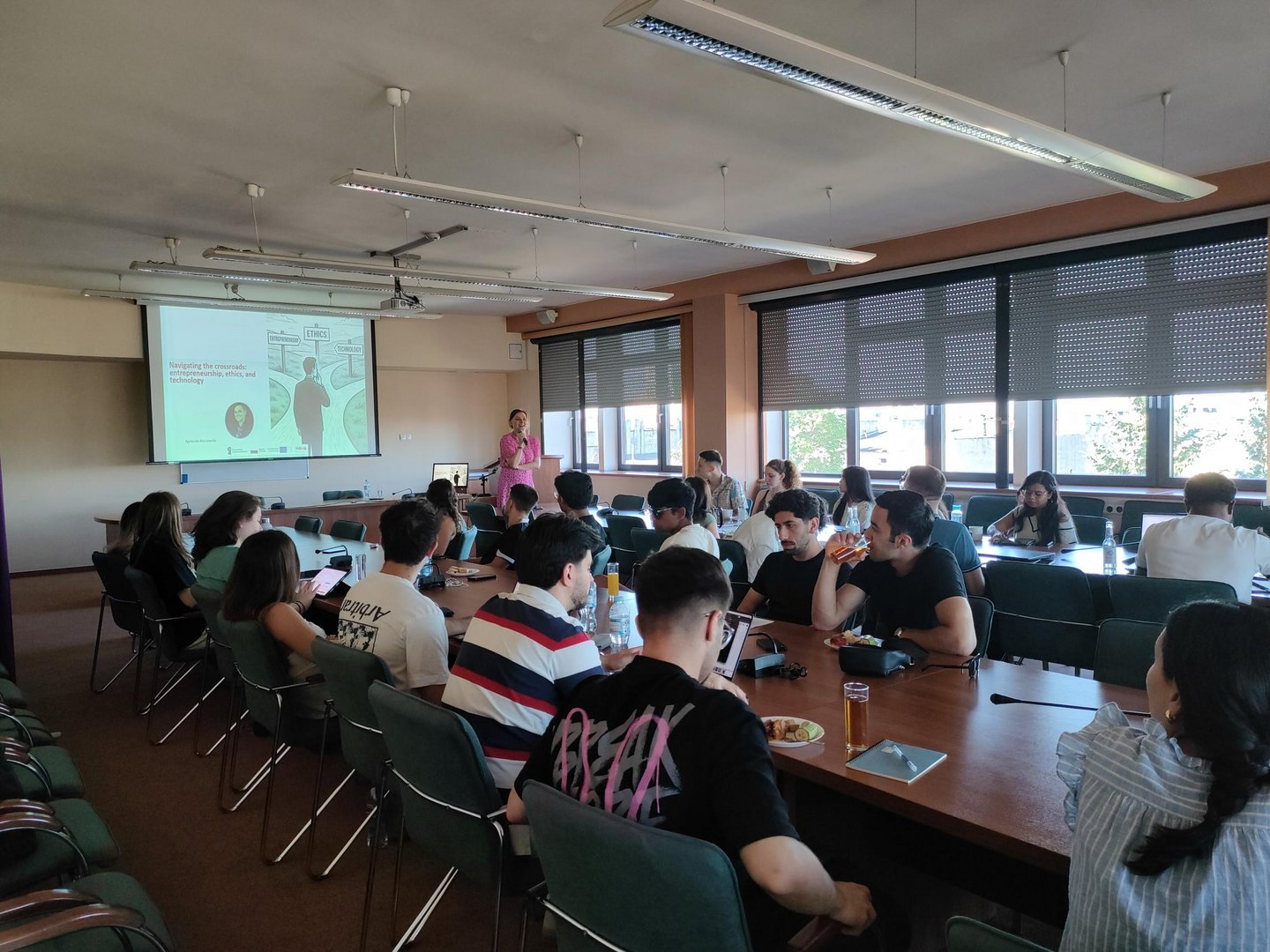
We start today with a lecture by Prof. Agnieszka Kurczewska on “Entrepreneurship and Startups: Navigating the crossroads of entrepreneurship, technology and ethics,” which will introduce key challenges and opportunities for new ventures in a rapidly changing world.
The group is energised, curious, and ready to learn, as our second day of the Summer School ECLIPSE unfolds with participants fully engaged and eager to explore how innovative business ideas can grow responsibly and sustainably.
#EUFunds #EuropeanFunds #SummerEclipse #SPINAKER
Advanced Economic Analysis: How Institutions Shape Business Cycles
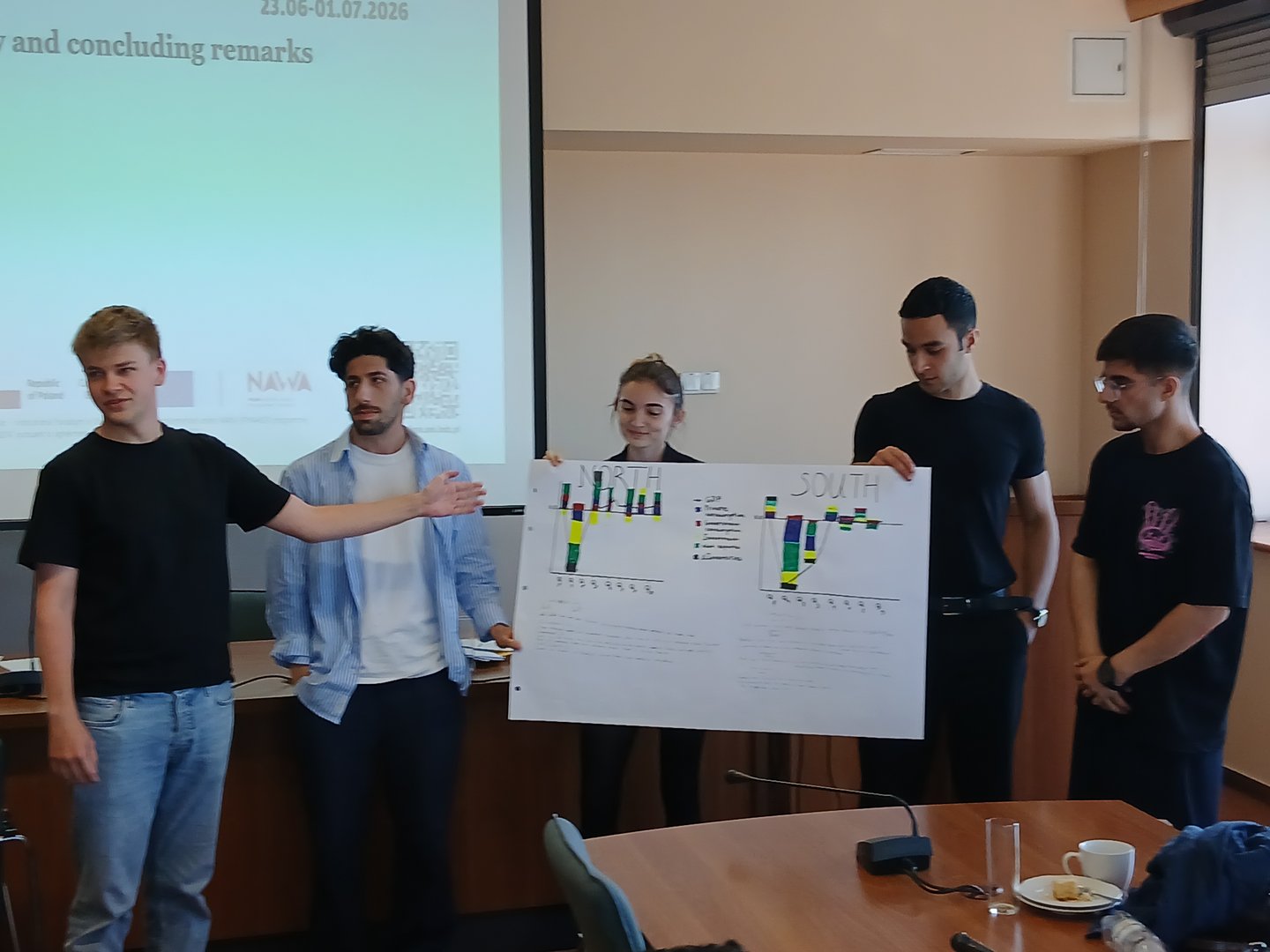
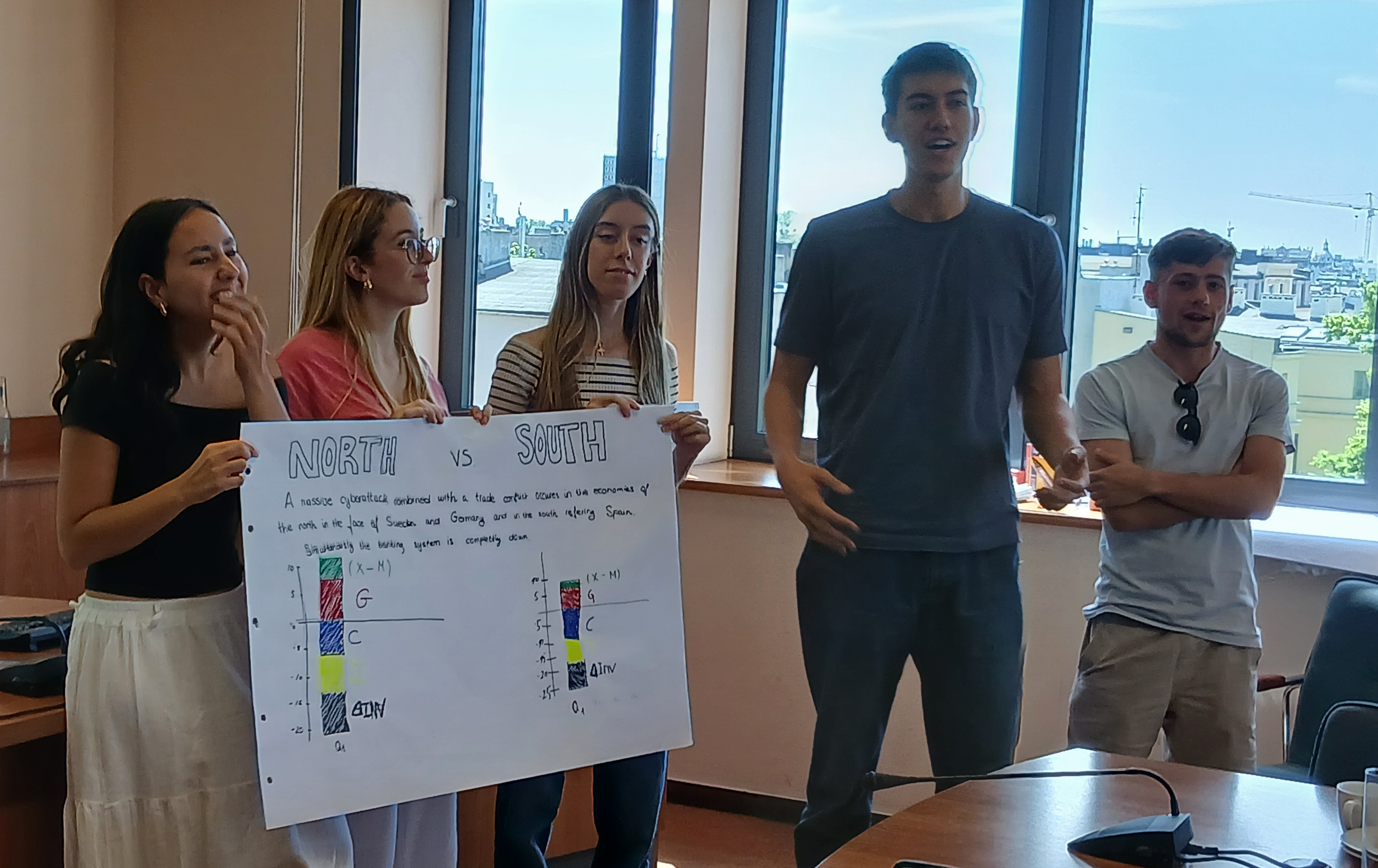
On June 24 we ran a 90-minute seminar, followed by two hands-on workshop sessions. The central question of the day was: “why does the same global shock produce such different economic outcomes across countries?”
The short answer is that institutions, in addition to structural features, largely determine which demand component absorbs the shock. And once you know how to read a demand-side GDP decomposition, the institutional fingerprint becomes visible in the data.
The seminar walked through six country–crisis combinations during the 2008 Global Financial Crisis and the COVID-19 shock. Each case illustrated a distinct transmission channel related to diverse formal and informal institutions, including those related to the labour market, monetary regime, bank-firm relations, and social trust.
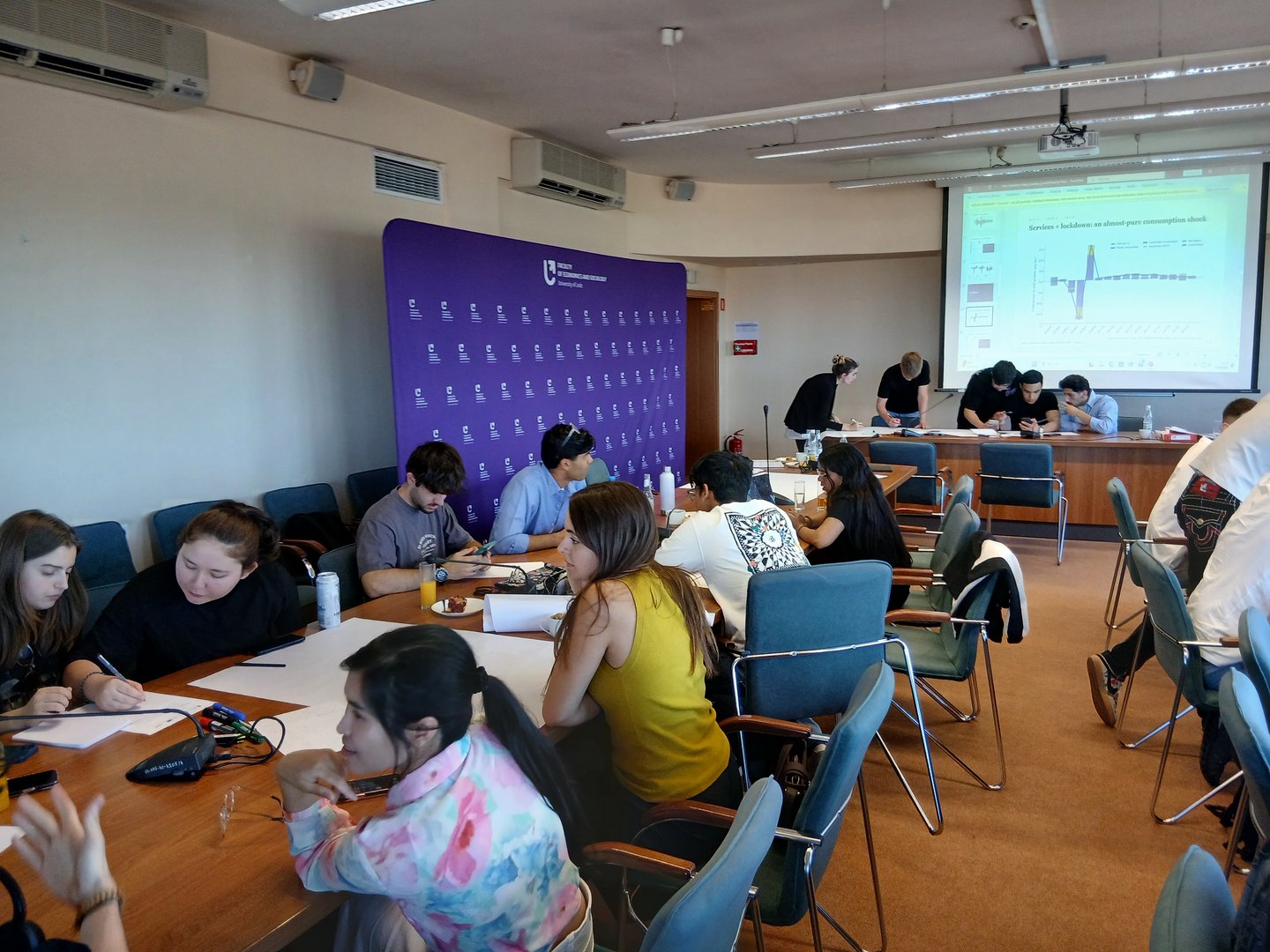
The workshop sessions then gave participants a chance to apply the same analytical lens to countries and scenarios not covered in the seminar. The task was to identify institutional channels from charts and thinking through how different institutional configurations would respond to a hypothetical future shock.
#EUFunds #EuropeanFunds #SummerEclipse #SPINAKER
Summer School Launch: Day One Complete!
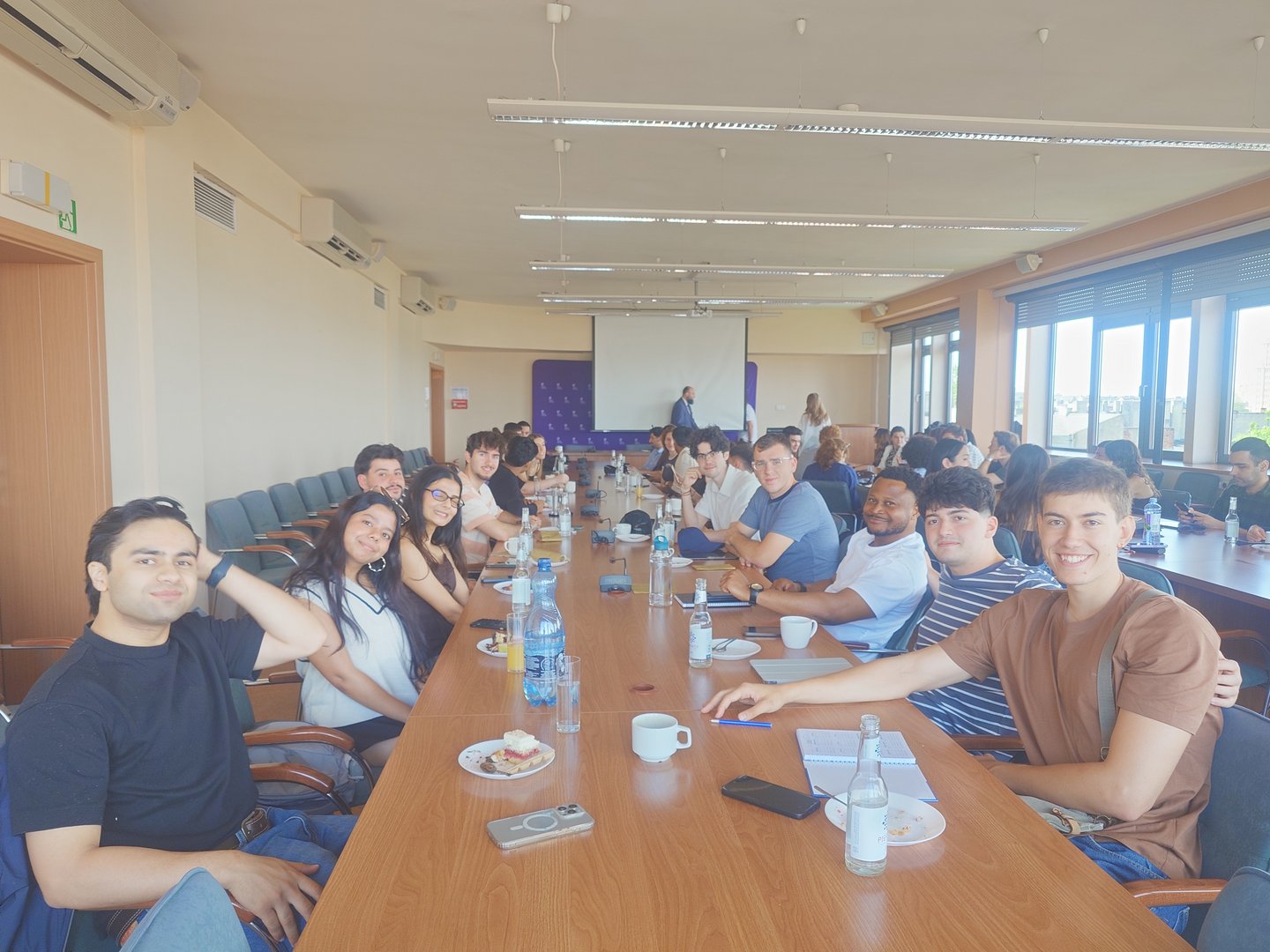
Today, we officially launched the Summer school SUMMER ECLIPSE. We have already had our welcome session and the first lecture titled “From Rules to Results: How Institutions Shape Economic Performance.”
It was also a time for first conversations and new connections, which we hope will develop into lasting friendships and future collaborations. Participants had their first opportunity to experience the academic environment of the Faculty of Economics and Sociology at the University of Lodz.
There is a strong sense of positive energy, curiosity, and engagement, promising an inspiring and productive program in the days ahead.
#EUFunds #EuropeanFunds #SummerEclipse #SPINAKER
Support schedule
Additional recruitment for students from Poland for SUMMER ECLIPSE
We have launched an additional recruitment round for students from Poland for the SUMMER ECLIPSE international summer school, held at the Faculty of Economics and Sociology at the University of Łódź.
The application form has been reopened – this is an excellent opportunity to join the intensive summer school programme, which brings together an international community of economics and finance students.
During SUMMER ECLIPSE, participants take part in:
• lectures on institutional economics – from the principles governing economies to how institutions shape economic outcomes,
• sessions on entrepreneurship and start-ups, innovation and the ethical challenges of new business models,
• analytical workshops on international and financial markets, including case studies relating to economic crises,
• two-day computer-based workshops using the LSEG Workspace platform, culminating in a micro-qualification confirming the skills acquired.
The programme combines lectures, workshops, project work and elements of a study visit to Łódź, enabling participants to develop both academic and practical skills and to build an international network of contacts.
We particularly invite undergraduate students studying economics, finance and related subjects at the University of Łódź to take part.
#EUFunds #EuropeanFunds #SummerEclipse #SPINAKER
The SUMMER ECLIPSE – recruitment results coming soon
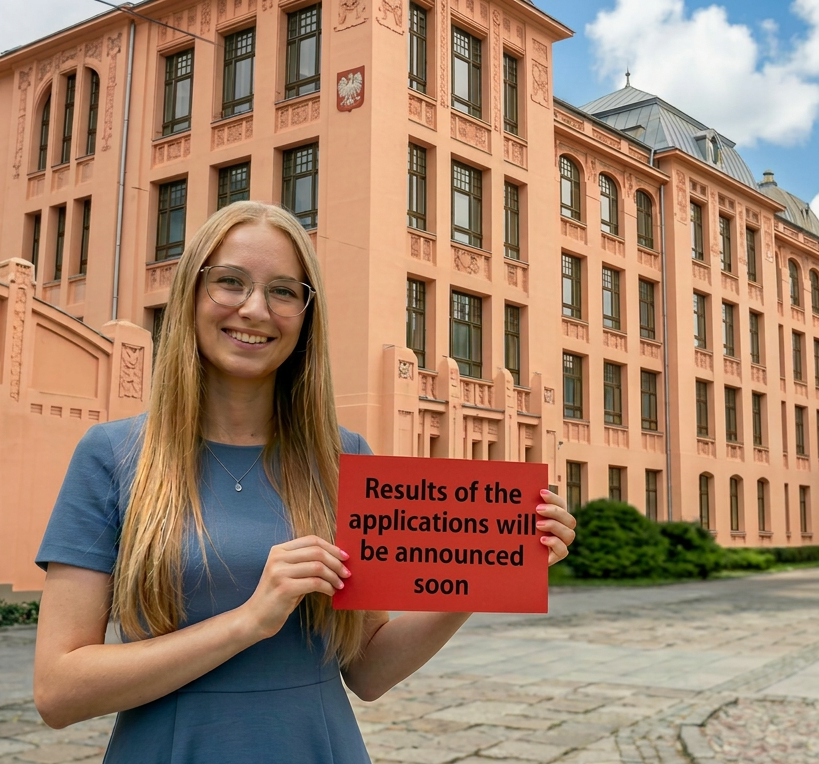
We would like to inform you that the recruitment process for the Summer Eclipse programme has officially concluded.
We remain in contact with the selected participants regarding the confirmation of their participation and further steps related to the registration process for the programme.
E-mails with information regarding the results of the recruitment process will be sent to all candidates.
We would like to thank all applicants for their interest in the Summer School Eclipse programme.
#EUFunds #EuropeanFunds #SummerEclipse #SPINAKER
Study visit to University Collage Cork
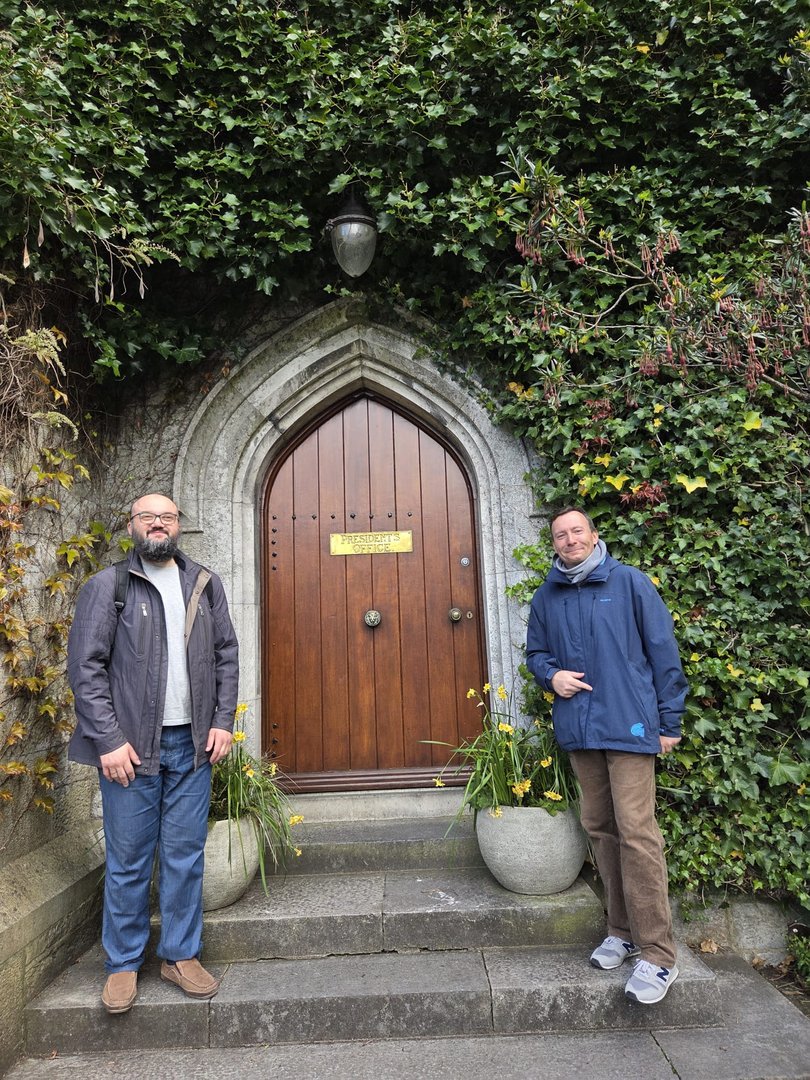
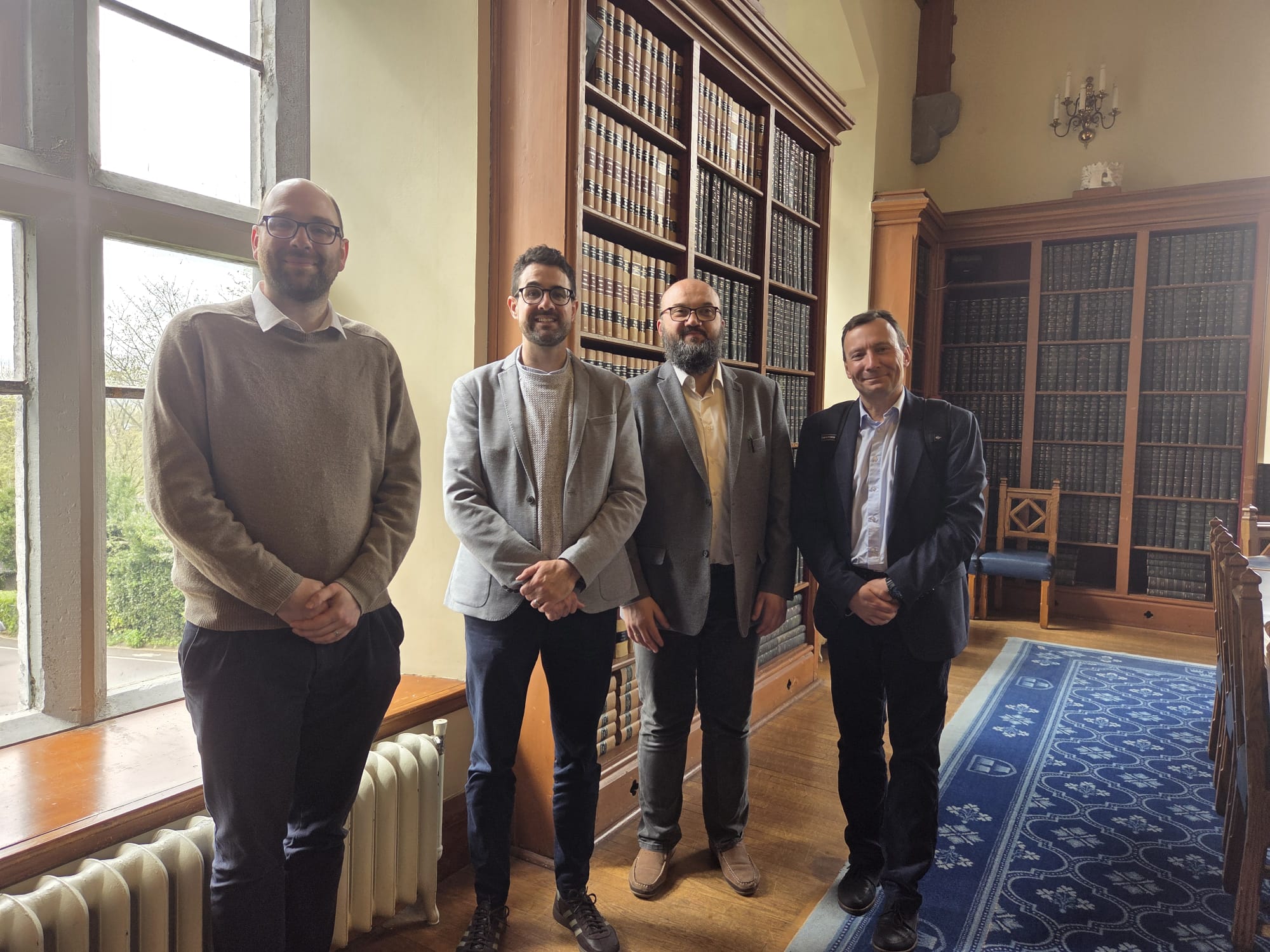
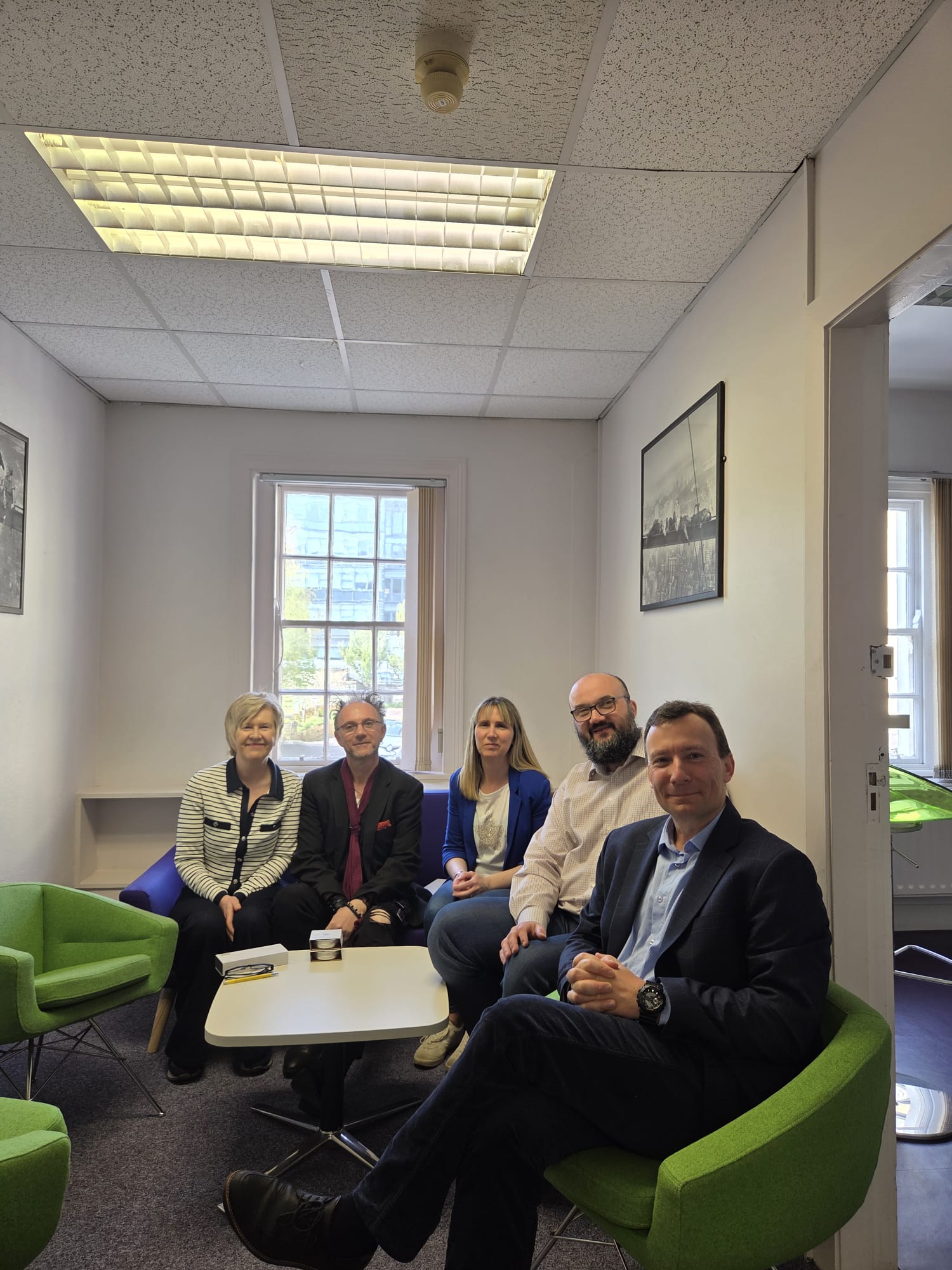
On 20–24 April 2026, a delegation from the Faculty of Economics and Sociology of the University of Łódź, composed of Prof. Tomasz Dorożyński and Dr Piotr Gabrielczak, visited Cork University Business School (CUBS) at University College Cork, Ireland: https://www.ucc.ie/en/business-school/
The visit was part of the NAWA SPINAKER “Summer Eclipse” project and constituted the final of three consultation visits to partner universities. www.eksoc.uni.lodz.pl/aktualnosci/szczegoly/wizyta-studyjna-w-university-collage-cork
CUBS is a highly reputable institution holding prestigious international accreditations (AMBA, AACSB, and EQUIS). It is a major academic centre in southern Ireland, distinguished not only by its strong regional position but also by its openness to international students. The school offers a wide portfolio of economics-related programmes, which may serve as valuable inspiration for the further development of the Economics programmes at the Faculty of Economics and Sociology of the University of Łódź.
During the visit, the delegation met with the Dean of CUBS as well as programme directors of undergraduate and postgraduate studies, including Applied Economics, Business and Financial Economics, Commerce, Business Analytics, and Sustainable International Business.
The visit also provided an opportunity to strengthen cooperation and support further joint educational initiatives between the Faculty of Economics and Sociology of the University of Łódź and CUBS, particularly within the UNIC alliance and the Erasmus+ programme.
EUFunds#NAWA#UniversityofLodz #SummerEclipse#CUBS #UNIC #Erasmus
Working group meetings
What do we discuss at the meetings of the working groups?
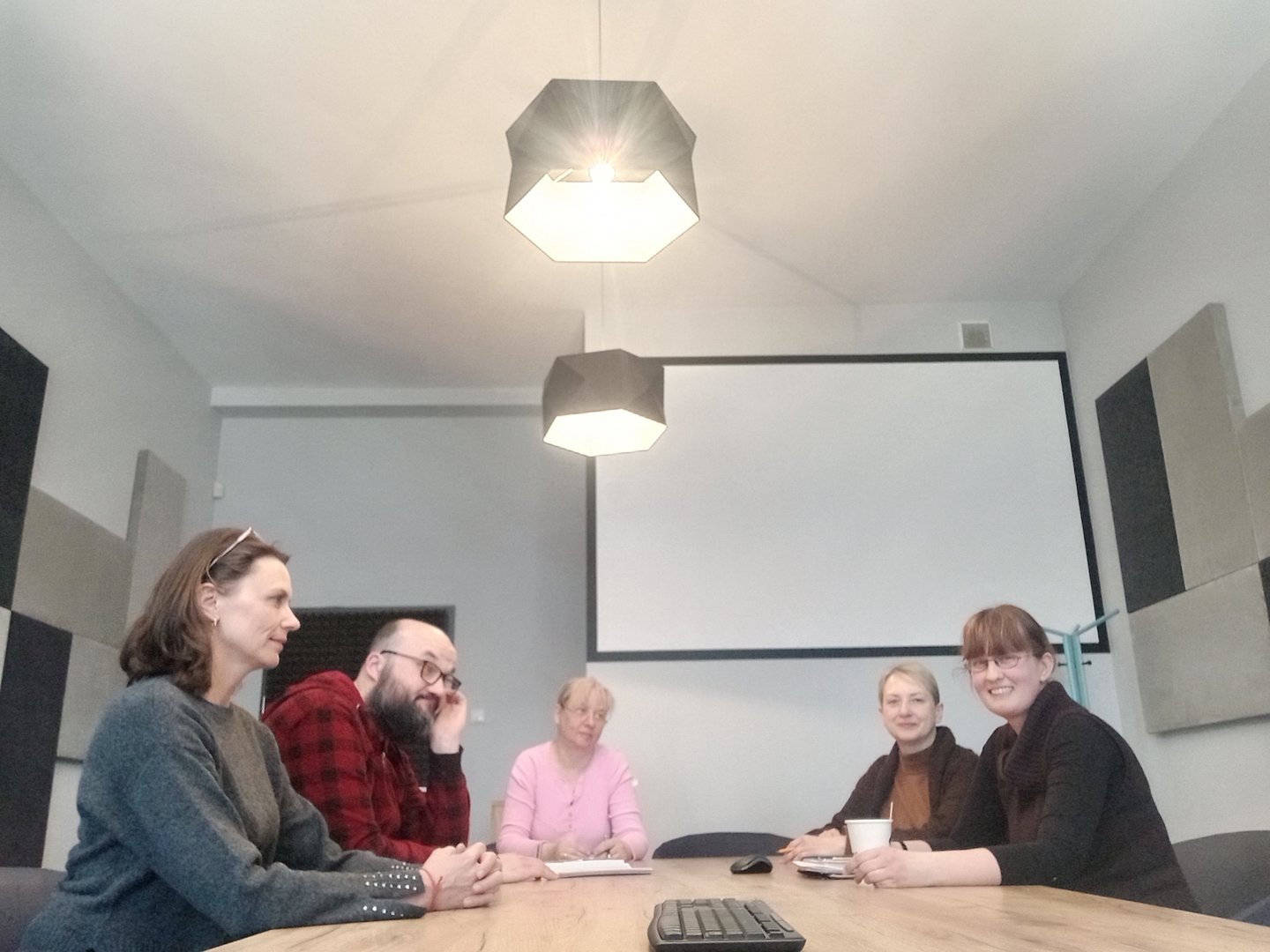
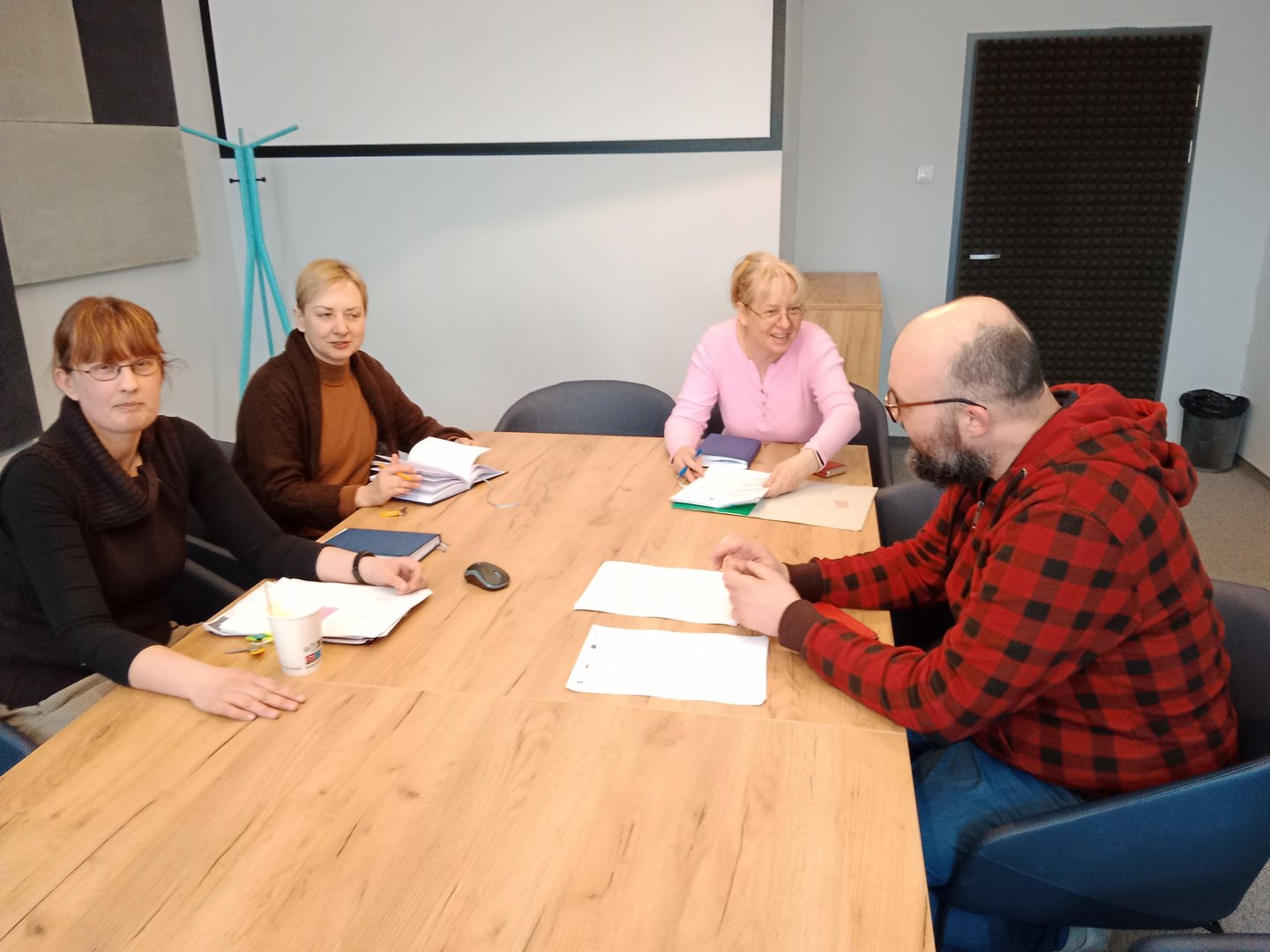
At one of recent meetings we finalised the last organisational details regarding the preparation of the summer school. During the meetings , we focused on three main areas:
- Project and recruitment guidelines
We clarified the division of tasks among smaller working groups and the principles of the recruitment regulations. - Recruitment rules and target group
We discussed the criteria for recruiting international undergraduate students in economics and the rules for including a limited number of students from the Faculty. We emphasised the project’s openness to different nationalities and cultures, as well as ensuring accessibility for people with special needs. - Information materials
We agreed on the information materials that still need to be added to the website and social media.
The project is scheduled to run from 1 September 2025 to 31 July 2026, and the summer school itself will take place in the summer of 2026. Detailed information on enrolment and the programme of activities will be available on the website shortly.
#EUFunds #EuropeanFunds #SummerEclipse #SPINAKER
Study visit to HEC Management School, Liège University
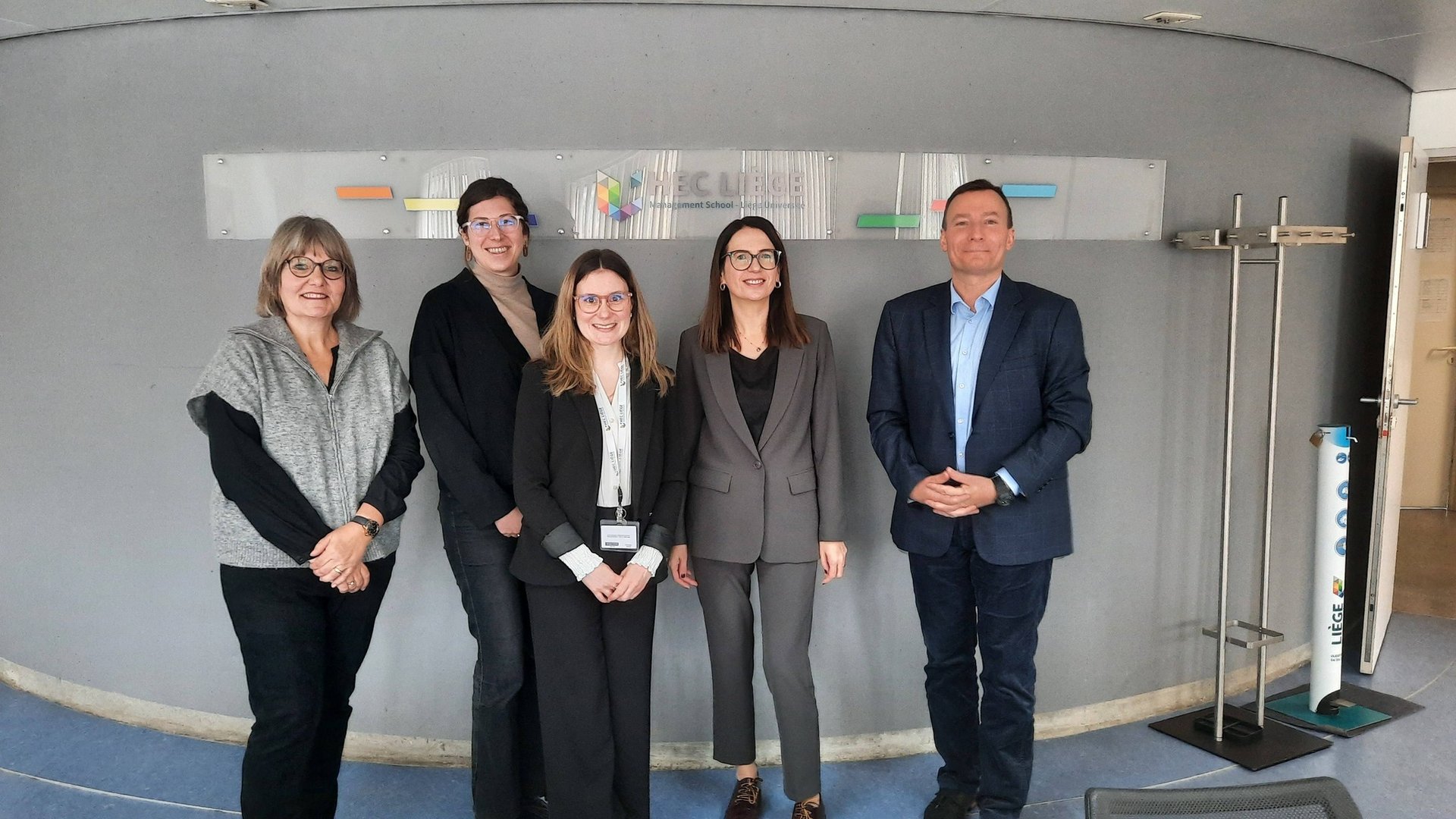
March 16-20, 2026, a study visit was conducted by representatives of the Institute of Economics at the University of Łódź, including: Prof. Tomasz Dorożyński and Prof. Katarzyna Skorupińska-Cieślak, to HEC Management School at the University of Liège (Belgium): https://www.hec.uliege.be/cms/c_7098604/en/hec
The visit was organized as part of the NAWA SPINAKER project “SUMMER ECLIPSE” and constituted the second of three planned consultation meetings with partner universities. Its main objective was to exchange experiences and identify best practices in the field of Economics education (programs taught in English).
The University of Liège, founded in 1817, is a renowned public university with over 22,500 students across 11 faculties. The university actively develops international cooperation and belongs to the European University of Post-Industrial Cities (UNIC) alliance, of which the University of Łódź is also a member: https://www.uni.lodz.pl/unic
HEC Liège holds prestigious international accreditations (AACSB and EQUIS), which confirm the high quality of education and the compliance of study programs with international standards.
During the visit, meetings were held with representatives of the international cooperation office, program managers, and faculty members. Discussions focused on curriculum design, the organization of the teaching process, and the internationalization of education.
The results of the visit will be used in further work on the development and internationalization of the Economics program at the University of Łódź, including in the preparation of the curriculum and in processes related to quality assurance and international accreditations.
The visit also contributed to strengthening cooperation with the foreign partner, particularly in the context of joint teaching and research initiatives, such as summer schools, academic mobility, and international events
#EUFunds #EuropeanFunds #SummerEclipse #SPINAKER
Study visit to Koç University in Istanbul
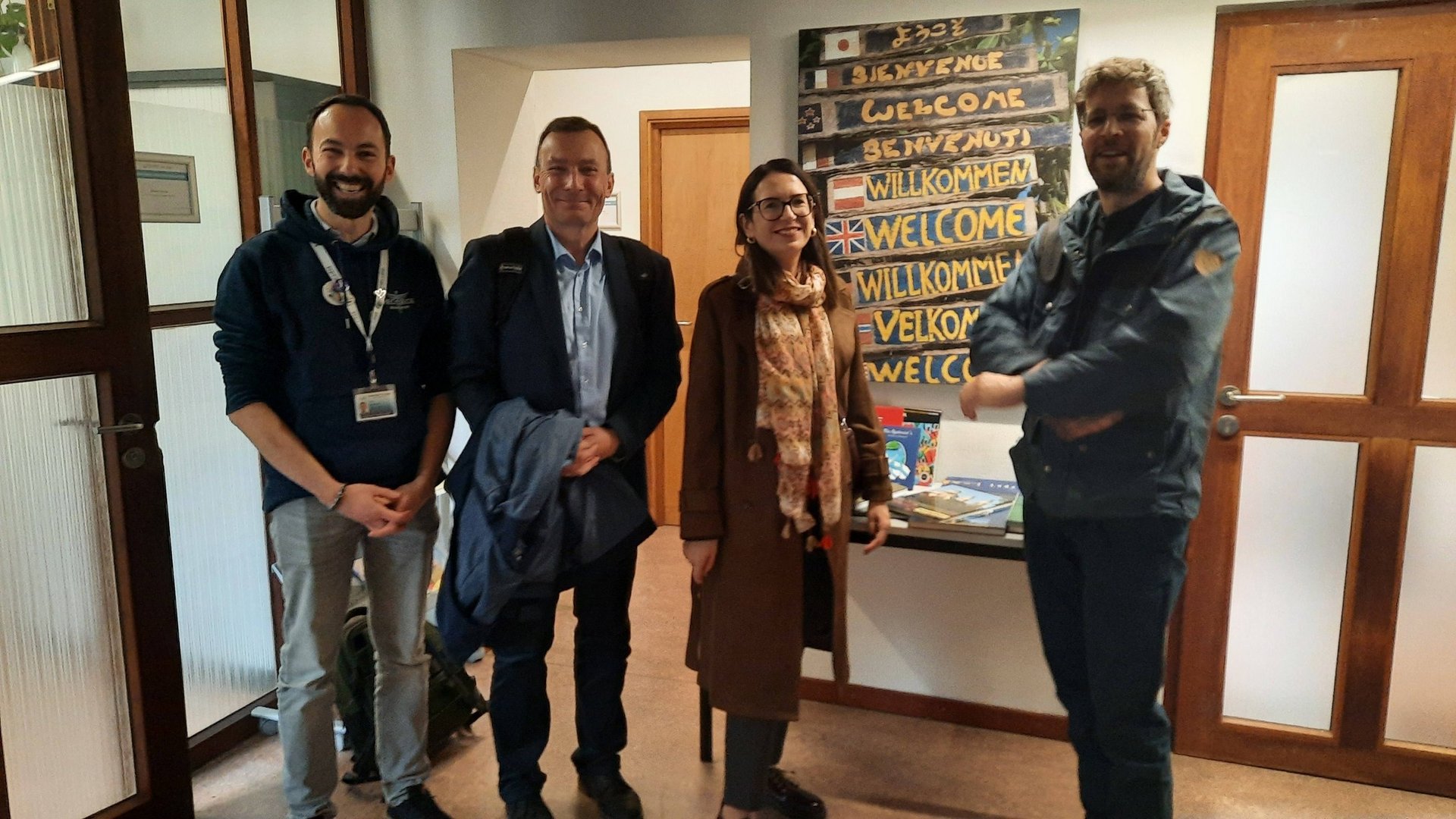
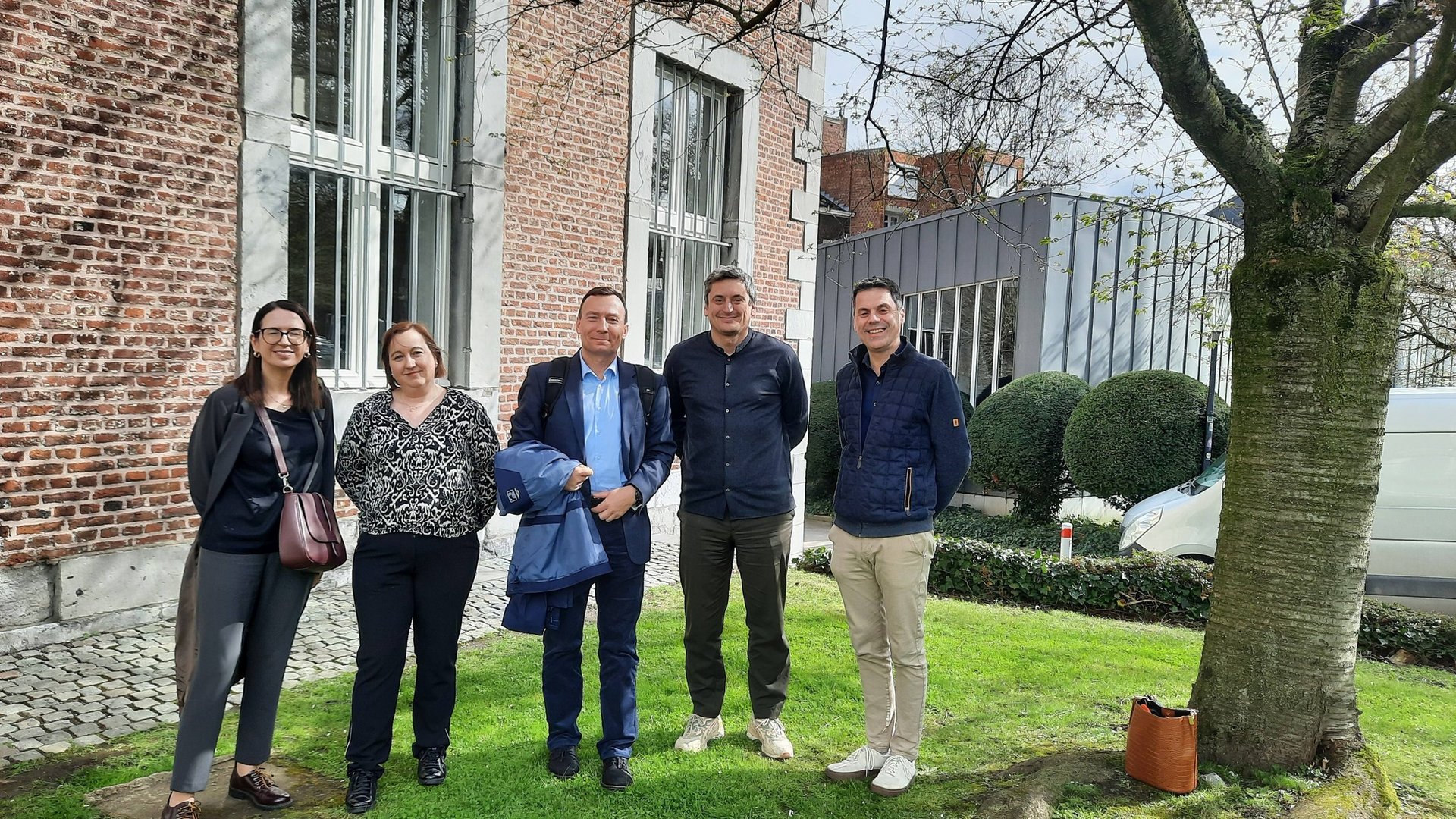
In November 17–21, 2025, Prof. Tomasz Dorożyński and Prof. Katarzyna Skorupińska Cieślak represented the Institute of Economics at the University of Łódź (https://gsssh.ku.edu.tr/en/departments/economics/) during a study visit to Koç University in Istanbul (Turkey).
This was the first of three consultation visits to partner universities planned as part of the NAWA SPINAKER “SUMMER ECLIPSE” project, dedicated to the exchange of experiences and best practices in teaching the Economics program (taught in English).
Koç University is a private research university founded in 1993 in Istanbul, recognized as one of the most prestigious universities in Turkey (https://www.ku.edu.tr/en/).
The university educates over 9,000 students, offers programs in English, and is strongly focused on research and international cooperation.
The university is a member of the European University of Post-Industrial Cities (UNIC) alliance, which also includes the University of Łódź (https://www.uni.lodz.pl/unic).
Within UNIC, Koç University plays a key role in building connections between European universities and the Mediterranean region and MENA countries, combining high-level research with a strong international focus in teaching.
We are convinced that the teaching approaches used at Koç University and the strengthening of cooperation with the Department of Economics will contribute to further improving the quality and attractiveness of the educational program in the Economics major at the University of Łódź.
#EUFunds #EuropeanFunds #SummerEclipse #SPINAKER